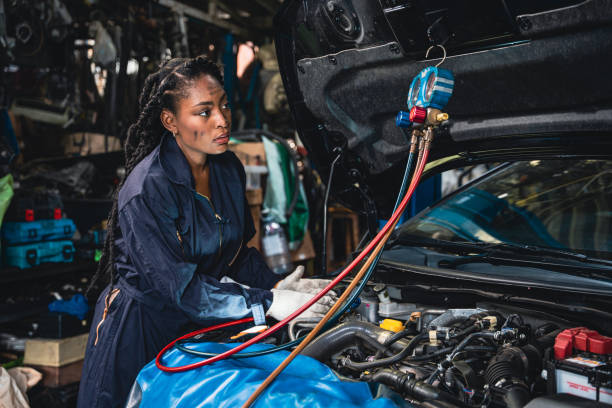
If you’ve recently scheduled a vehicle repair or noticed higher labor charges, you’re not alone. Across the country, drivers are feeling the impact of a growing shortage of skilled automotive technicians. This ongoing challenge is reshaping how long repairs take and how much vehicle owners ultimately pay. While the issue has been developing for years, its effects are now reaching nearly everyone who owns a car. From shifting demographics and industry perception to training demands and retention challenges, several factors are slowing the entry of new talent into the auto repair profession.
What’s Behind the Technician Shortage?
The technician shortage didn’t happen overnight. One of the most significant contributors is an aging workforce. Many experienced mechanics are approaching retirement, yet far fewer young professionals are entering the field to replace them. Enrollment in automotive technician programs has declined sharply over the past decade, leaving a limited pipeline of incoming talent.
Industry perception also plays a major role. Automotive repair is often viewed as less desirable than traditional white-collar careers, despite offering stable income, technical complexity, and long-term demand. Students are frequently encouraged toward four-year degrees, while skilled trade careers receive less visibility and support—even though modern technicians work with advanced technology and diagnostics every day.
Today’s vehicles are more complex than ever. Advanced electronics, onboard software, sensors, electric systems, and hybrid technology require continuous education and certification. Keeping up with these changes demands ongoing training, which can be a barrier for both new entrants and existing professionals.
Retention has also become a concern. With wages struggling to keep pace with the rising cost of living and limited advancement opportunities in some shops, many technicians are leaving the field altogether, further deepening the labor gap.
How the Shortage Affects Repair Times and Costs
With fewer qualified technicians available, repair shops are experiencing growing backlogs. Customers are often forced to wait longer for service, even for routine repairs. This bottleneck impacts independent garages and dealership service centers alike.
Labor shortages also increase operational costs for repair facilities. Vacant positions can lead to lost revenue, which is frequently passed on to consumers in the form of higher labor rates or reduced availability for complex repairs. As a result, drivers may face increased repair bills and fewer service options overall.
Smaller shops may turn away advanced repairs that require specialized tools or training, pushing customers toward larger, busier service centers. At the same time, technician burnout can impact service quality, increasing the risk of delays or repeat repairs.
What Repair Shops Are Doing to Attract New Talent
Auto repair businesses are actively working to address the shortage. Many are partnering with trade schools and technical colleges to create apprenticeship and entry-level training programs. These initiatives provide hands-on experience and clearer career pathways for students entering the field.
Ongoing education has also become essential. Shops that invest in manufacturer training, certification programs, and electric vehicle diagnostics are better equipped to handle modern repairs while improving technician satisfaction and retention.
Improving compensation, workplace culture, and job recognition is another key focus. Cleaner work environments, updated equipment, and employee appreciation efforts help shift outdated perceptions of the profession and attract long-term talent.
Supporting the Next Generation of Automotive Technicians
Beyond individual repair shops, broader industry support is crucial. AutoShield is committed to strengthening the future of automotive service by supporting education, training, and awareness initiatives that prepare technicians for today’s vehicles.
Through partnerships with nonprofit organizations and automotive education programs, AutoShield helps connect students with accredited training pathways and real-world learning opportunities. These initiatives highlight the technical skill, innovation, and career stability the profession offers.
By promoting early exposure to automotive technology and STEM-based learning, AutoShield aims to shift perceptions of the technician role—from outdated stereotypes to a modern, skilled career with long-term growth potential.
How Drivers Can Plan Ahead to Avoid Delays
While individual drivers can’t solve the labor shortage, proactive planning can help minimize disruption. Scheduling routine maintenance early—such as oil changes, brake inspections, and tire services— reduces the risk of unexpected breakdowns that require urgent repairs.
Choosing reputable, certified service centers also makes a difference. These facilities typically have better access to training and diagnostic tools, allowing them to complete complex repairs more efficiently. Asking about estimated wait times upfront can help manage expectations and avoid frustration.
A Smart Way to Manage Repair Costs: Extended Vehicle Protection
The technician shortage impacts more than repair timelines—it affects long-term vehicle ownership costs. As labor rates rise, unexpected repairs can quickly strain your budget. One way to prepare is by investing in a vehicle service contract, commonly known as an extended car warranty.
AutoShield offers a range of coverage options designed to help manage repair expenses, from essential component protection to plans that closely mirror manufacturer-level coverage. These plans provide financial assistance for eligible mechanical breakdowns, helping drivers maintain peace of mind even during unexpected repairs.
Many AutoShield plans also include added benefits such as collision-related reimbursements, windshield repair assistance, key fob replacement, and tire damage coverage, delivering extra value beyond standard repair protection.*
To explore available plans, speak with an AutoShield protection advisor, request a free quote, or review personalized plan options online to find coverage that fits your vehicle and driving needs.